
2026-06-19
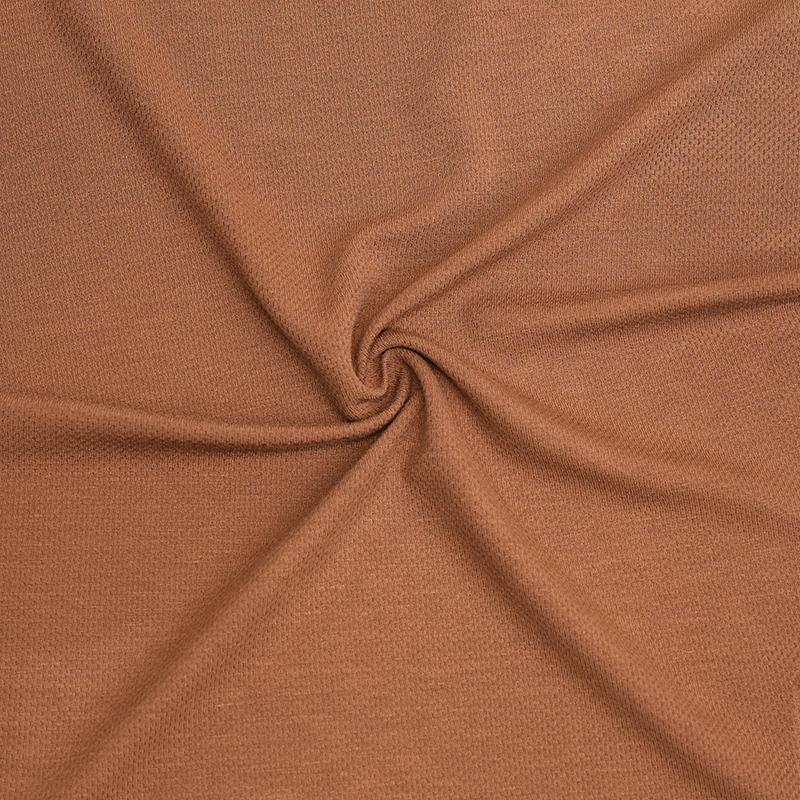
Genanvendt polyesterstof , commonly known as rPET, is a textile made by processing post-consumer plastic waste - primarily PET bottles - into new polyester fibers. It delivers the same performance as virgin polyester in terms of durability, stretch, and moisture management, while significantly reducing environmental impact. For brands sourcing sustainable apparel fabrics - from underwear and T-shirts to sportswear - recycled polyester has become the most widely used eco-friendly fiber in the world.
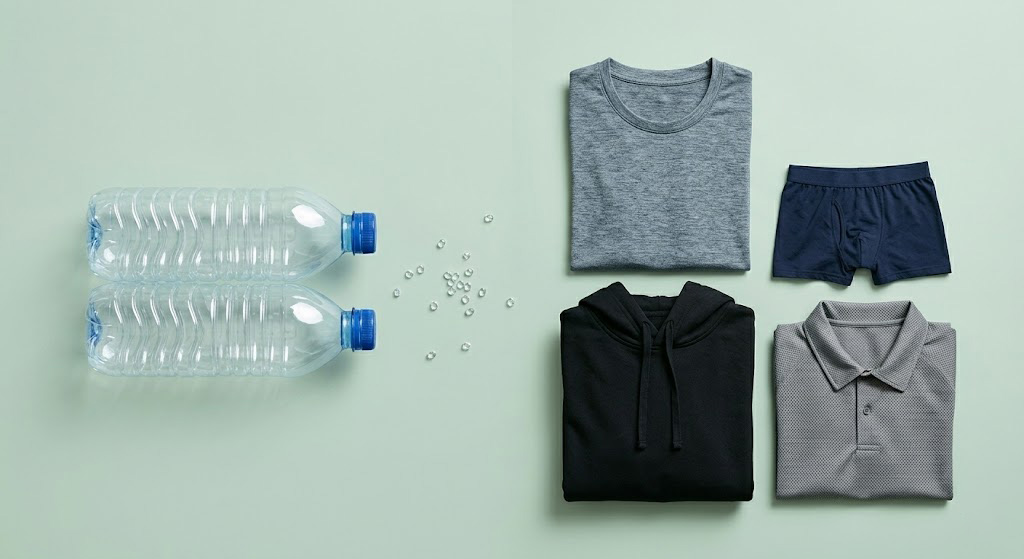
Recycled polyester starts its second life as plastic waste. The most common feedstock is post-consumer PET (polyethylene terephthalate) - the same material used in water bottles and food containers. These plastics are collected, sorted, cleaned, shredded into flakes, melted, and re-extruded into new polyester fibers. Dette kaldes mekanisk genbrug , and it accounts for the vast majority of rPET production today.
A newer method, chemical recycling, breaks the polymer all the way back to its molecular building blocks before re-polymerizing it. This produces higher-purity fiber and can process harder-to-recycle textile waste, but it remains more expensive and less widely available at commercial scale.
So when you see a label that says "100 recycled polyester" or "made from recycled plastic," the fabric was almost certainly spun from reclaimed PET bottles - giving plastic waste a new life as wearable textile.
Spørgsmålet om genanvendt polyester vs polyester comes down to raw material sourcing and environmental impact - not fabric performance. Both materials are chemically identical (PET), so the end fabric behaves the same way in terms of strength, stretch, and wash durability. The difference lies entirely upstream, in how the raw fiber is made.
| Faktor | Virgin Polyester | Genbrugspolyester (rPET) |
| Råmateriale | Råolie (fossilt brændstof) | Post-consumer PET-plast |
| Energiforbrug | Høj | Op til 59 % mindre end jomfru |
| CO2-udledning | Høj - fossil-fuel dependent | 30-70% lavere, afhængig af proces |
| Vandforbrug | ~6 kubikmeter pr. 100 kg stof | ~1,9 kubikmeter pr. 100 kg stof |
| Plastaffald omdirigeret | Ingen | ~60 PET-flasker pr. 1 kg stof |
| Stof ydeevne | Fremragende | Svarende til jomfru |
| Biologisk nedbrydelighed | Ikke biologisk nedbrydeligt | Ikke biologisk nedbrydeligt |
| Fælles certificeringer | Standard OEKO-TEX | GRS, OEKO-TEX, OCS |
It is worth noting that both virgin polyester and recycled polyester shed microplastics during washing - this limitation applies equally to both. The environmental advantage of rPET lies in upstream resource savings, not in end-of-life behavior.
Det korte svar er: ja, mere bæredygtig end virgin polyester - men ikke en perfekt løsning . Her er hvad dataene faktisk viser.
According to Textile Exchange's 2025 Materials Market Report, recycled polyester production grew from 8.9 million tonnes in 2023 to approximately 9.3 million tonnes in 2024, making it by far the most widely used sustainable fiber globally. Til sammenhæng var den kombinerede produktion af økologisk og genanvendt bomuld i 2023 kun 1,1 millioner tons - omkring 12% af rPET-volumen.
On greenhouse gas emissions, the Sustainable Apparel Coalition's Higg Material Sustainability Index estimates that mechanically recycled polyester reduces GHG emissions by more than 70% compared to virgin polyester. Independent studies put the range at 30-70% depending on the energy mix used in the recycling facility and the boundaries of the life cycle assessment.
Miljøpåvirkning: Genanvendt polyester vs Virgin Polyester (% reduktion)
Når det er sagt, er der stadig en vigtig begrænsning: mindre end 1 % af den globale genbrugspolyester kommer i øjeblikket fra genbrugstekstiler . The rest is downcycled from plastic bottles - which means the fashion industry has yet to close the loop on garment-to-garment recycling at scale. Genanvendt polyester er fremskridt, men ikke målstregen for cirkulæritet.
En fælles bekymring, købere har, er, om 100 genanvendt polyester yder lige så godt som jomfru polyester i den virkelige verden. Svaret er ja - når det er korrekt forarbejdet, matcher rPET-stoffet jomfru polyester på stort set alle ydeevnemålinger .
Recycled polyester fabric offers the same core properties that make polyester so widely used in apparel: excellent tensile strength, moisture-wicking capability, quick-dry performance, resistance to shrinking and wrinkling, and colorfastness. When blended with spandex (elastane), it adds four-way stretch, making it ideal for close-fit applications like underwear, activewear, and sportswear.
The key variables that affect quality in rPET fabric are the source of the recycled material (bottle-grade rPET tends to be very consistent), the recycling method used, and the downstream knitting or weaving process. Reputable manufacturers subject their recycled polyester fabrics to the same quality and safety certifications - such as OEKO-TEX Standard 100 and the Global Recycled Standard (GRS) - as virgin polyester alternatives.
Genanvendt polyesterstof bruges på tværs af en bred vifte af beklædningskategorier. Its versatility - particularly when blended with spandex - means it works equally well in tight-fit underwear as it does in high-performance sportswear.
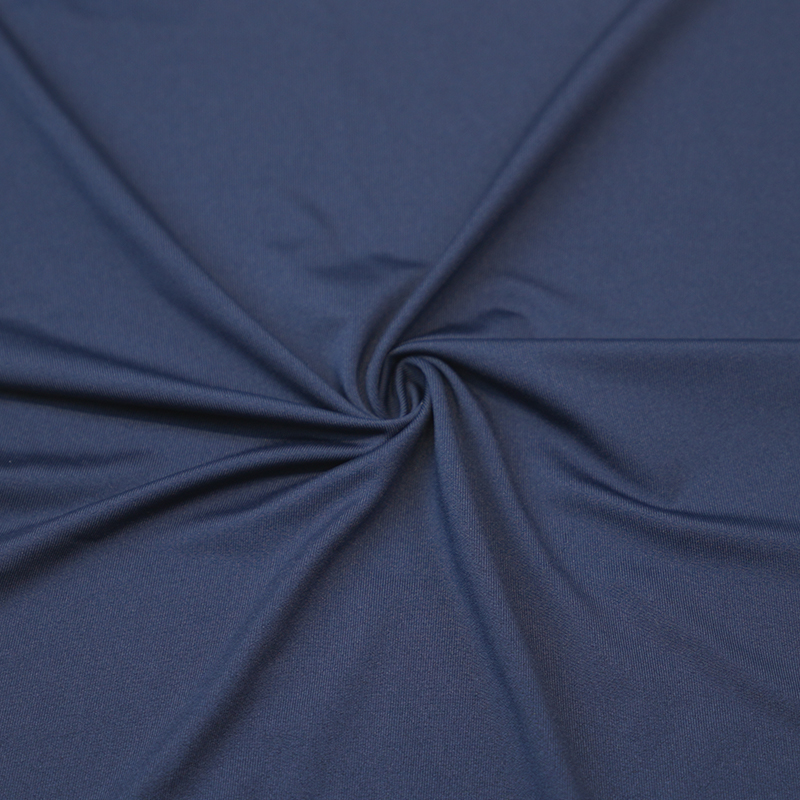
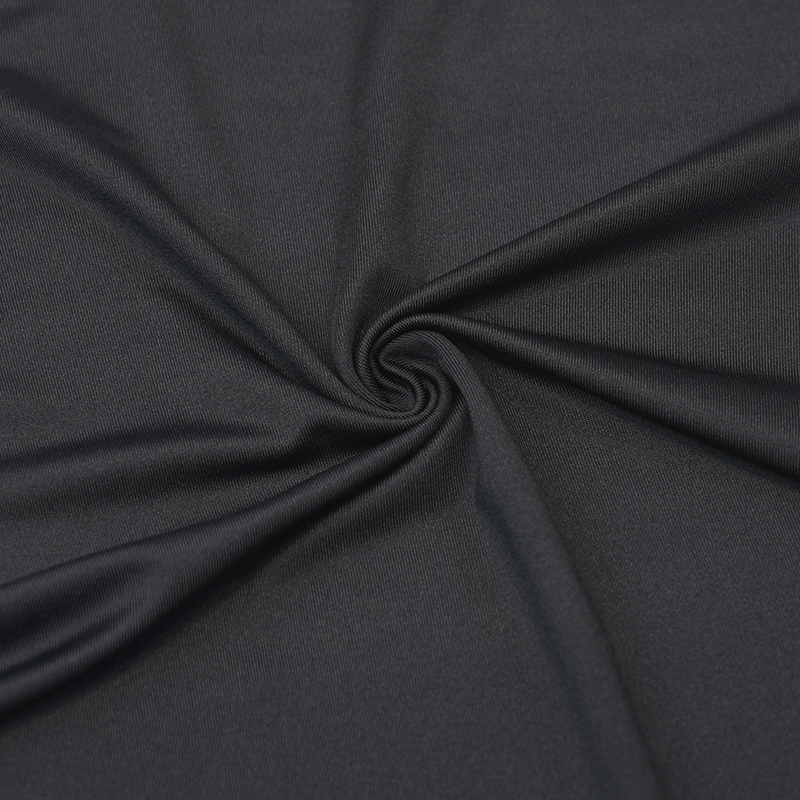
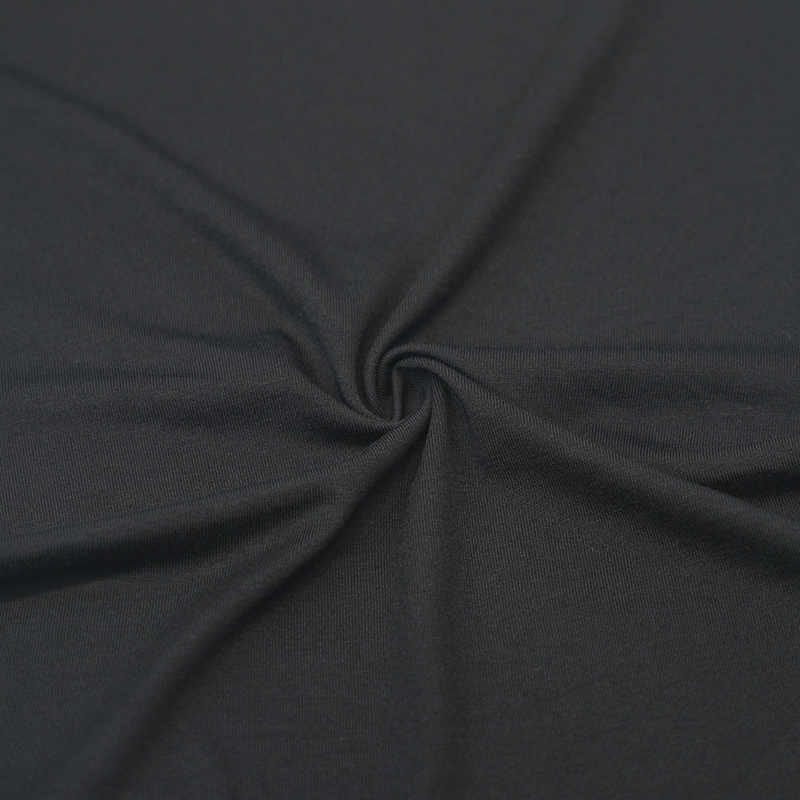
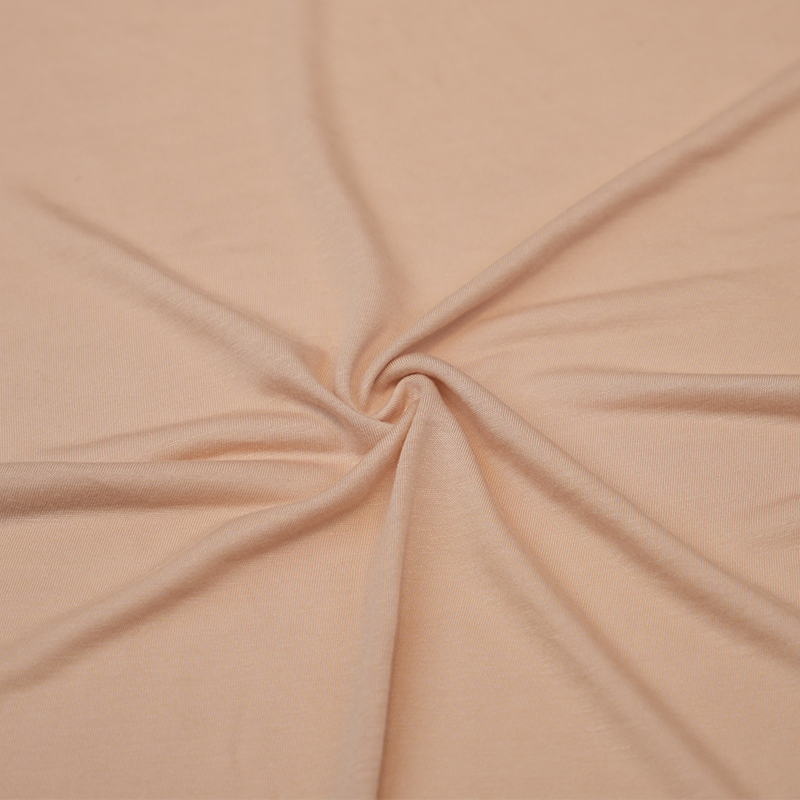
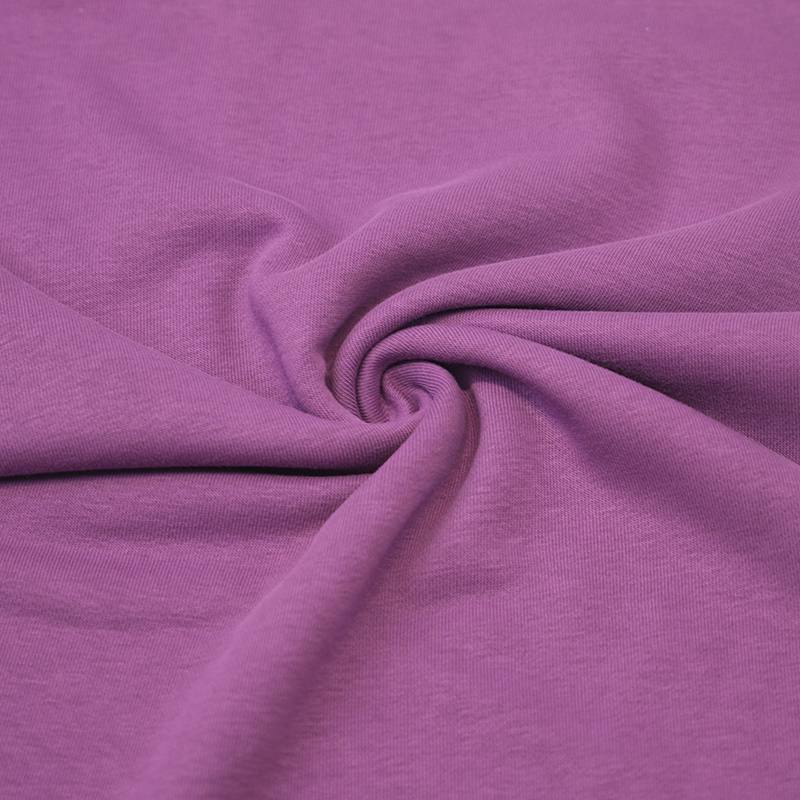
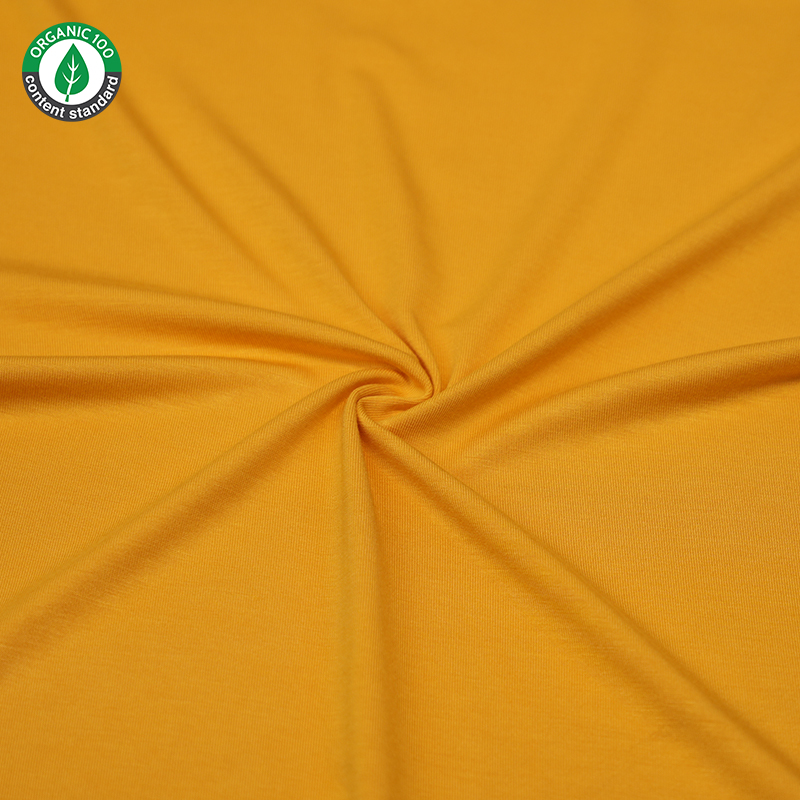
Blød genanvendt polyester spandex-jersey leverer den stretch, åndbarhed og farveægthed, der er nødvendig til hverdagsundertøj og baselag.
Lightweight recycled polyester jersey blends are wrinkle-resistant and hold color well, making them a popular choice for everyday T-shirts and casual apparel.
Recycled polyester spandex mesh and jersey are widely used in running gear, yoga wear, and gym apparel for their moisture management and four-way stretch.
Recycled polyester fleece offers thermal insulation with a significantly lower environmental footprint, used in jackets, hoodies, and outdoor layers.
Når du køber genanvendt polyesterstof til beklædningsproduktion, er certificeringer den mest pålidelige måde at verificere bæredygtighedspåstande på. De vigtigste at vide er:
These certifications matter most when making claims to end consumers or retail buyers - particularly in European and North American markets, where sustainability due diligence is increasingly a legal and commercial requirement.
Teknisk set ja - polyester er genanvendeligt . Men i praksis er genanvendelsen af polyestertøj tilbage til nye tekstilfibre fortsat yderst begrænset. I øjeblikket kommer mindre end 1 % af den globale rPET-fiber fra genbrugstekstiler; det overvældende flertal kommer stadig fra plastikflasker.
The main barriers are: difficulty separating blended fabrics (most garments mix polyester with cotton, spandex, or other fibers), lack of widespread textile collection infrastructure, and higher processing costs compared to bottle-to-fiber recycling.
Kemiske genbrugsteknologier forbedrer dette billede. Ved at bryde polyester ned til dets monomere byggesten, kan kemisk genbrug håndtere blandede stoffer og producere virgin-ækvivalente fibre. Flere store mærker og fiberproducenter investerer i at skalere denne teknologi mod 2030-målene.
For now, choosing a fabric certified under GRS or RCS is the most practical way for brands to ensure their recycled polyester content is genuinely verified - and to support the demand signal that drives further investment in textile-to-textile recycling infrastructure.
Vi leverer GRS-certificerede genbrugte polyester spandex-stoffer til undertøj, T-shirts og sportstøj. Alle stoffer er produceret med fuld forsyningskædesporbarhed og er tilgængelige for OEM- og ODM-ordrer.
Relaterede produkter
Kontakt os for flere detaljer
Tøv ikke med at kontakte, når du har brug for os!
Kontaktoplysninger
Tilføje:
Værelse 806, Building D, Jingyang Plaza, Chongchuan District, Nantong City, Jiangsu -provinsen, Kina
Produktkategori
QR -kode
Deltag i vores samfund og hold kontakten